Latest guides
Practical bodybuilding articles.
Clear training, nutrition, recovery, and equipment guides for lifters who want usable next steps.
NutritionRecovery + Health
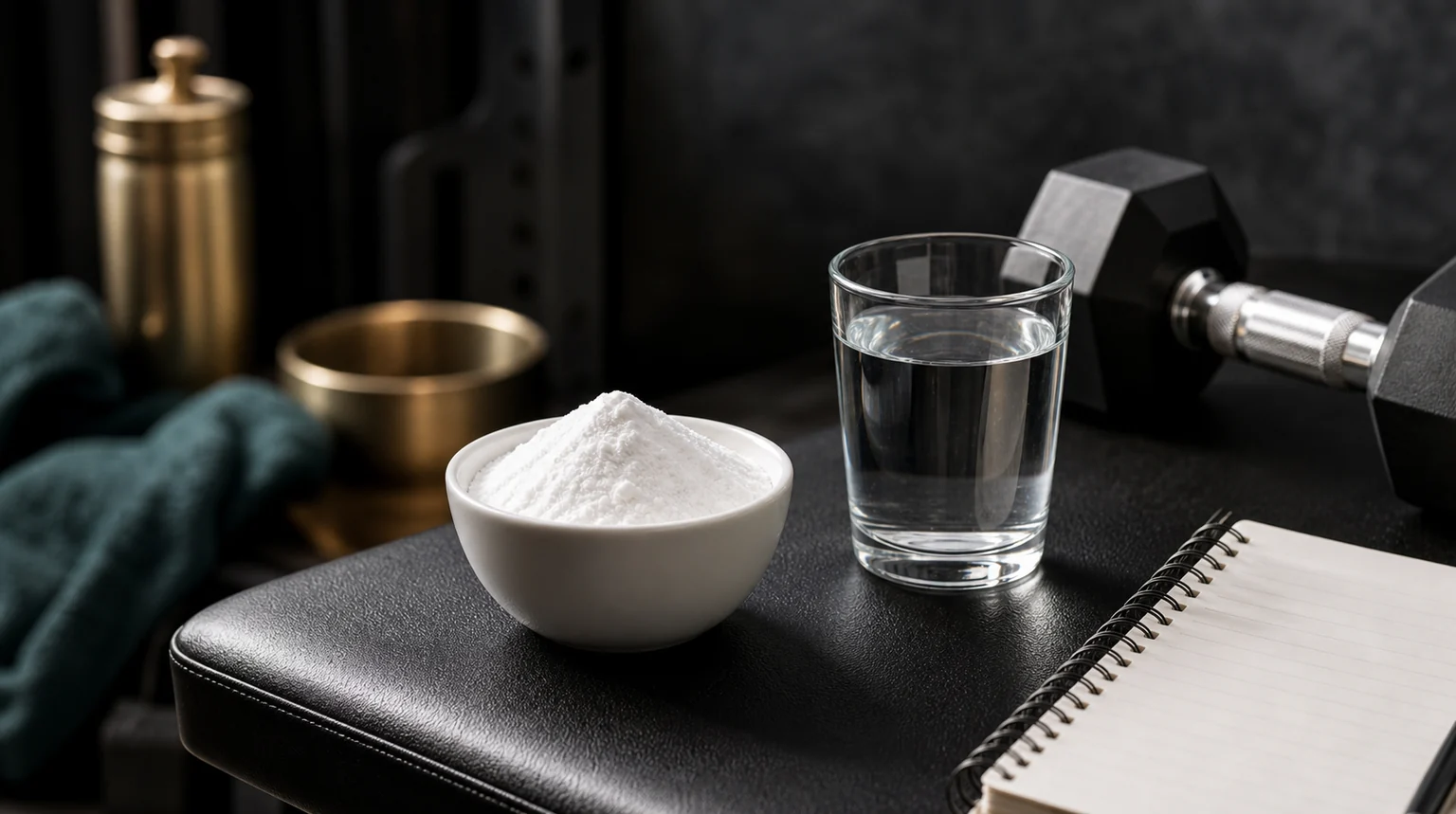
Sodium bicarbonate may help some short, intense efforts, but a July 2026 review found gastrointestinal symptoms remain a major trade-off. Learn the limits and safety questions without a dosing protocol.
9 min readUpdated July 30, 2026
NutritionTraining
Resting-calorie equations can be useful starting estimates, but lean lifters should not treat RMR as workout calories or a personal daily calorie prescription.
10 min readUpdated July 25, 2026
NutritionTraining
A protein shake for gaining muscle works best when it helps you reach daily protein and calories; use simple ingredients, not hype.
3 min readJuly 5, 2026
Training
A home back workout can train lats, upper back, and spinal erectors with rows, pulldown substitutes, hinges, and smart progression.
3 min readJuly 5, 2026
Nutrition
Vegetarian lifters can meal prep high-protein bowls, wraps, breakfasts, and snacks by combining soy, dairy, eggs, beans, grains, and produce.
3 min readJuly 5, 2026

Recovery + Health
Weight lifting is usually low impact, but heavy loads still challenge joints and tendons. See beginner steps, exercise swaps, and warning signs.
7 min readUpdated July 23, 2026

Training
A practical look at squat, hinge, press, pull, carry, and accessory movements so lifters can build a balanced program without chasing novelty.
4 min readUpdated July 19, 2026

Recovery + Health
Hard exercise may temporarily affect PSA. See the 48-hour preparation guidance, important evidence limits, and why a raised result still needs medical follow-up.
5 min readUpdated July 21, 2026

Recovery + HealthTraining
Estimate calories burned lifting weights with conservative MET-based ranges, examples, assumptions, and safer ways to use the number.
3 min readNovember 30, 2025

Training
Choose a starting load by reps in reserve, control, and recovery—not ego—and progress only after clean repeatable sets.
3 min readUpdated July 19, 2026
Recovery + HealthTraining
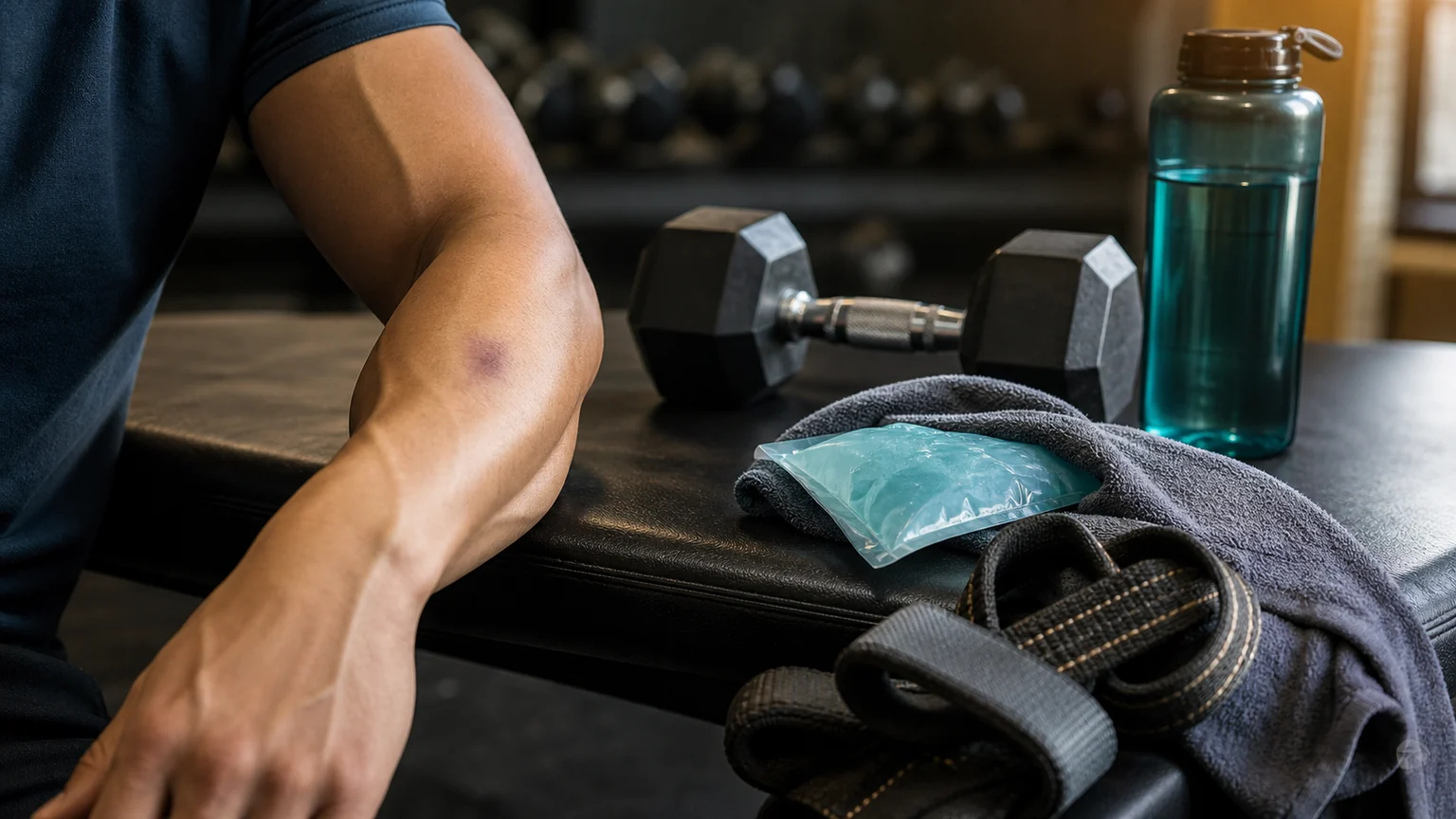
Bruising after lifting usually follows bar pressure or equipment contact. Compare common causes with warning signs and know how to adjust your next workout.
3 min readUpdated July 17, 2026

Recovery + HealthTraining
Keep training around tennis elbow with lower-grip exercise swaps, a conservative return sequence, clear stop rules, and medical red flags.
5 min readUpdated July 22, 2026
Training
Estimate a working load and warm-up ramp from a recent set, reps in reserve, and available increments. Supports lb and kg with conservative limits.
7 min readUpdated July 28, 2026
Equipment + ToolsTraining
Compare specialty retailers, local marketplaces, and commercial suppliers by space, budget, warranty, safety, and how you actually train.
3 min readUpdated July 19, 2026
Training
Enter a target total, bar weight, unit, and available plate sizes to see the plates needed per side or the nearest reachable load.
3 min readUpdated August 4, 2026
Training
A useful log records exercises, loads, reps, effort, pain notes, and recovery so lifters can make better next-session decisions.
3 min readUpdated July 17, 2026

Recovery + Health
Modify painful lifts, keep tolerable training where appropriate, and know which tendon symptoms need a clinician instead of another workout adjustment.
3 min readUpdated July 17, 2026
Training
Plan hypertrophy blocks around volume, effort, exercise selection, deloads, and recovery instead of changing workouts at random.
3 min readUpdated July 17, 2026

Training
Barbells and dumbbells solve different training problems; choose based on load needs, range of motion, skill, space, and injury history.
4 min readUpdated July 26, 2026
Training
Learn when to microload, how to choose the next increment, and how to progress barbells and dumbbells without masking fatigue.
4 min readUpdated July 22, 2026
NutritionRecovery + Health
Compare creatine, protein powder, caffeine, and beta-alanine, then check medical cautions, exact lots, recalls, and sport certification before buying.
6 min readUpdated July 20, 2026

Training
Use the strength-training RPE scale to estimate reps in reserve, adjust loads without guessing, and avoid common effort-rating mistakes.
3 min readUpdated July 17, 2026

Recovery + HealthTraining
Build a short warm-up around the positions your workout needs; mobility can prepare a lift, but it cannot guarantee injury prevention.
3 min readUpdated July 17, 2026

Training
Learn how tempo notation works, when slower reps help muscle-growth training, and how to use rep speed without sacrificing load or progression.
3 min readUpdated July 17, 2026

Recovery + Health
Learn how to adjust lifting after a bad night, protect recovery, rebuild volume, improve sleep habits, and recognize symptoms that need medical care.
4 min readUpdated July 20, 2026
NutritionTraining
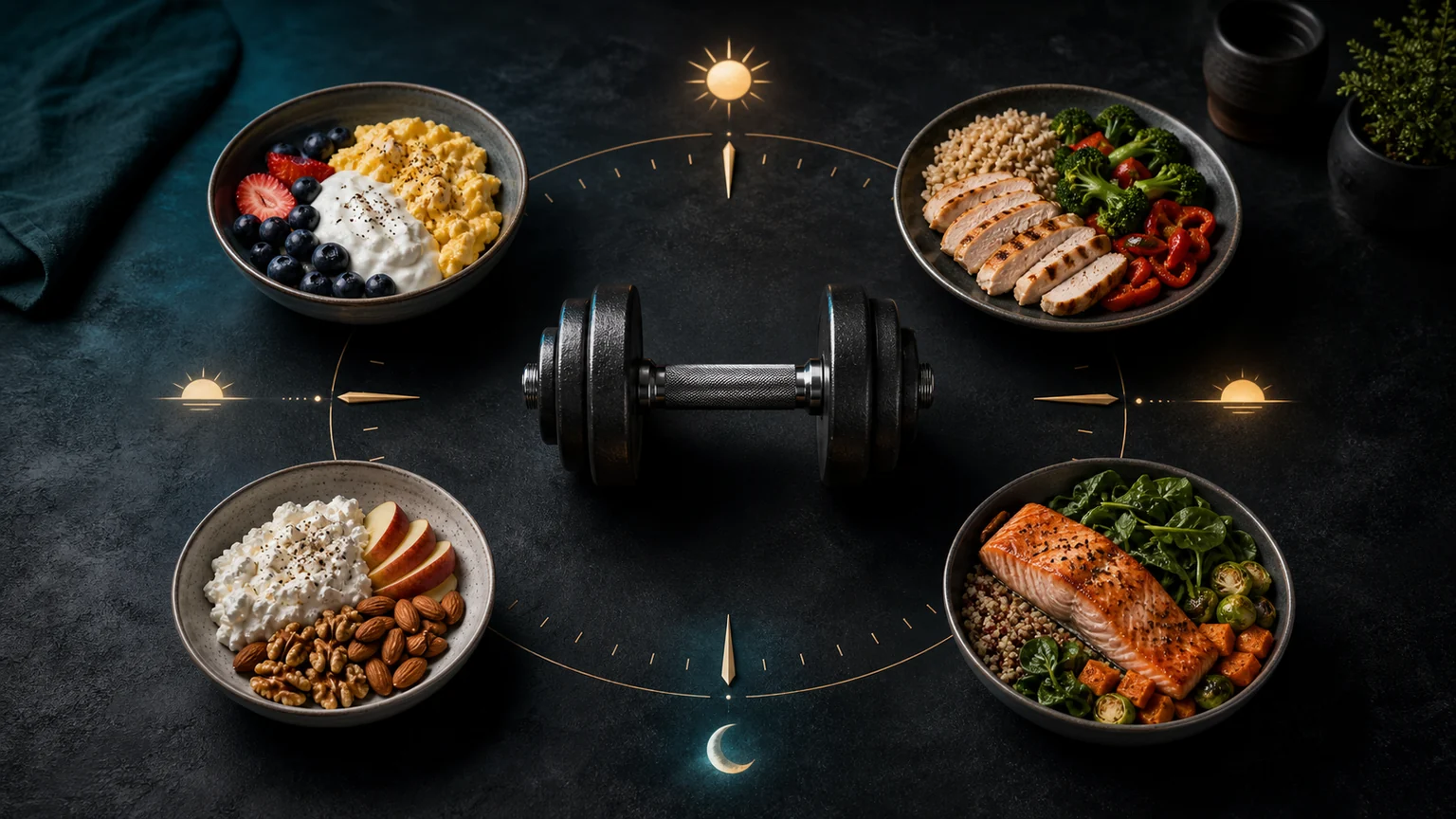
Daily protein matters more than perfect timing. See a 75 kg worked example, divide the total across meals, and understand where evidence remains uncertain.
4 min readUpdated July 22, 2026

NutritionRecovery + Health
Daily protein comes first. Use practical plant-protein meal timing, food combinations, and training-day examples without chasing a narrow anabolic window.
3 min readUpdated July 17, 2026

Training
Build muscle after 50 with a repeatable two-day plan, joint-friendly exercise choices, reps-before-load progression, recovery checks, and clear medical limits.
6 min readUpdated July 21, 2026

Training
Compare slow eccentrics, two-up/one-down reps, and supramaximal negatives, with conservative progressions and clear recovery limits.
3 min readUpdated July 17, 2026

Recovery + HealthTraining
Use symptoms, warm-ups, and your own training log to keep, scale, or replace a workout without imposing a rigid menstrual-phase calendar.
5 min readUpdated July 21, 2026
NutritionRecovery + Health
Maintain muscle in a calorie deficit by managing lifting, protein, weight-loss speed, and recovery. Use the weekly check-in and practical adjustment rules.
7 min readUpdated July 23, 2026