Is Lifting Weights High Impact? Joint Stress Explained
Lifting weights is usually low impact, but joints and tendons still handle load; compare joint stress, safer starts, and when to modify.
Sleep, mobility, tendon care, fatigue management, and safer long-term lifting habits for readers who need clear boundaries, not medical claims.
Browse 12 guides
Use these guides to decide when to reduce load, change exercise selection, improve sleep habits, or involve a qualified clinician. Pain, unusual symptoms, and medical conditions need care beyond a training article.
Lifting weights is usually low impact, but joints and tendons still handle load; compare joint stress, safer starts, and when to modify.
Heavy training is not a PSA diagnosis; use smart timing before blood work, tell your clinician about recent workouts, and follow medical guidance.
Estimate calories burned lifting weights with conservative MET-based ranges, examples, assumptions, and safer ways to use the number.
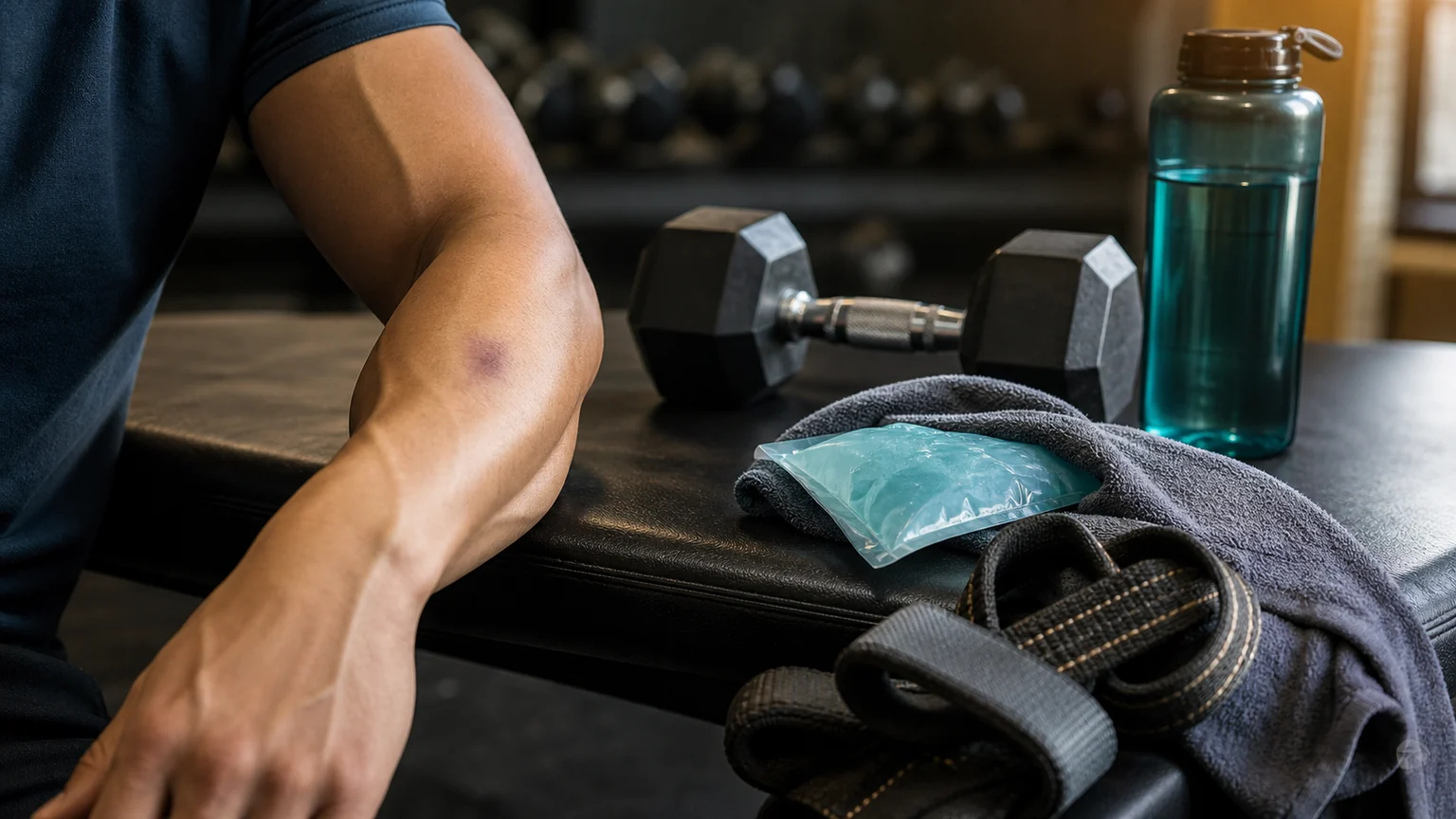
Lifting weights can cause bruises from bar pressure, equipment contact, or strain; learn normal signs, red flags, and when to seek care.
Exercise swaps for lifting with tennis elbow: neutral grips, straps, lower loads, stop rules, and when symptoms need qualified care.
Tendon pain needs load management, symptom boundaries, and qualified care when symptoms persist or worsen; do not push through sharp pain.
No supplement beats training, food, and sleep. Compare creatine, protein, caffeine, beta-alanine, and higher-risk products with medical and sport-rule cautions.
Mobility and preparation work can support better positions, but it is not injury-proofing; persistent pain needs qualified assessment.
Sleep supports recovery, training quality, appetite regulation, and consistency; use sleep habits as part of the training plan.
Plant-based lifters can plan protein quality, serving size, and timing while watching total intake, digestion, and food preferences.
Cycle-aware training is an optional planning tool; symptoms and individual response should matter more than rigid phase rules.
A moderate calorie deficit, enough protein, resistance training, and recovery help reduce muscle loss while dieting.