Choose by the job the lift needs to do
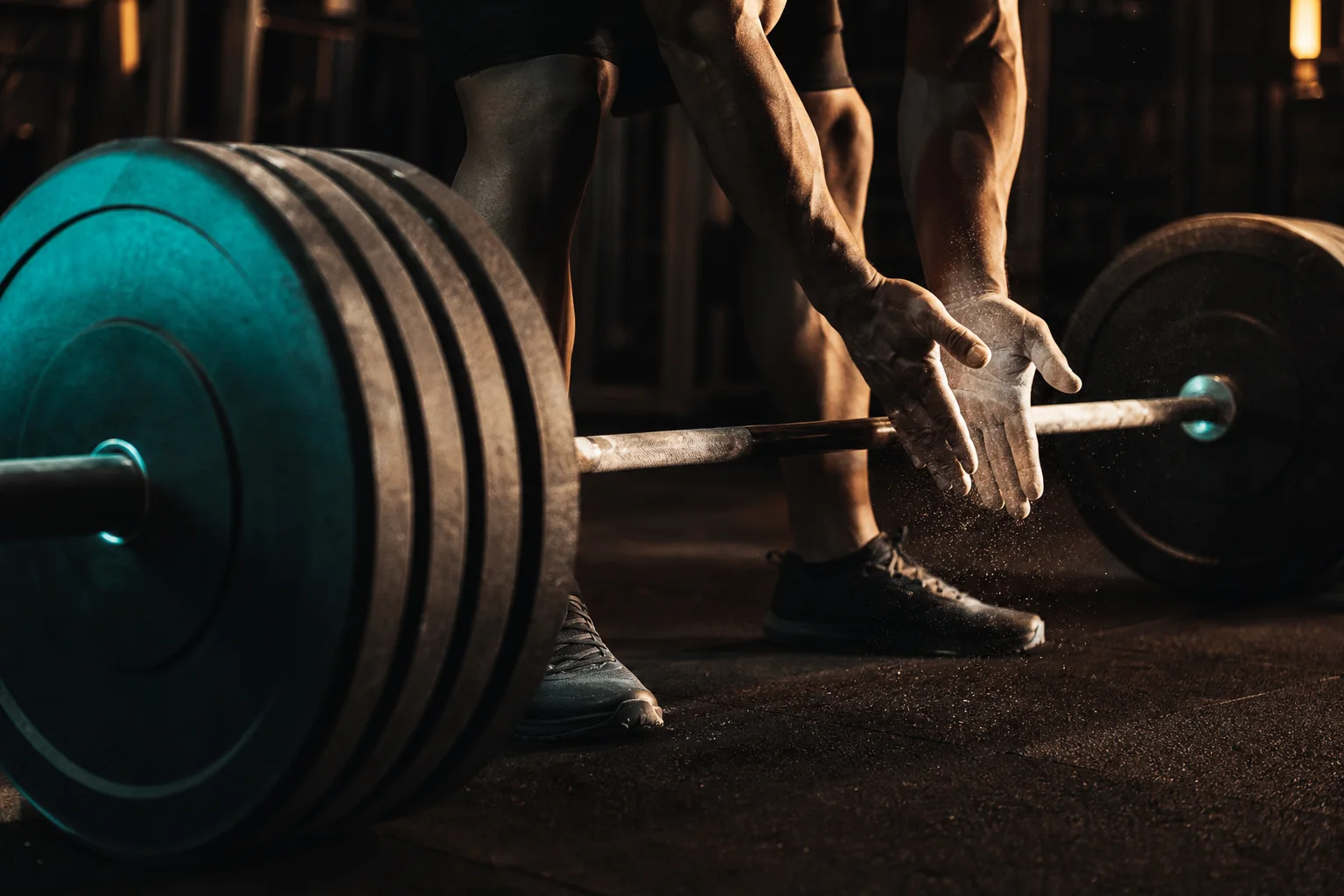
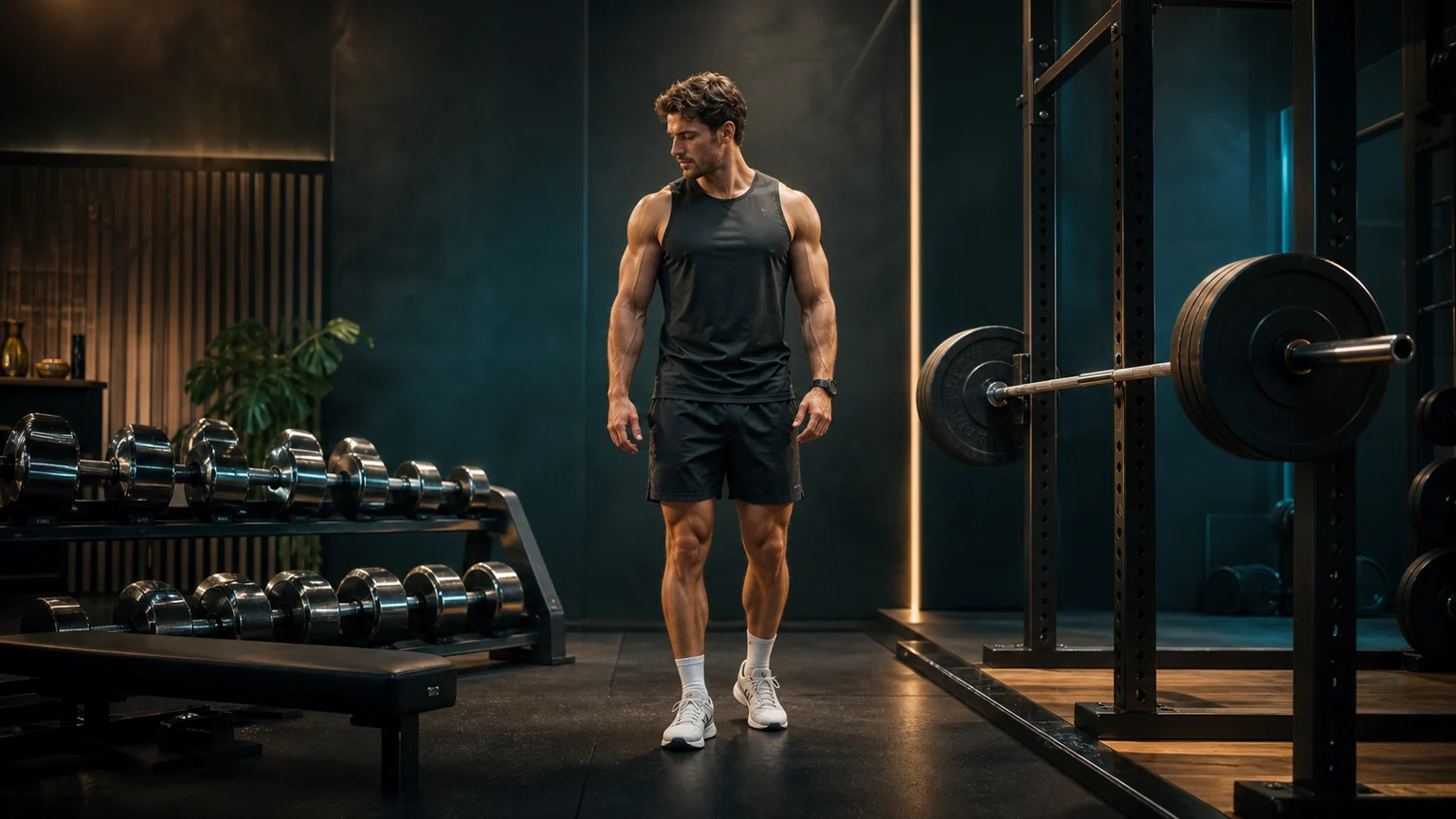
Barbells and dumbbells are both useful resistance-training tools, but they solve different setup problems. A barbell makes it easier to add small, repeatable amounts of load while both hands or legs share one implement. Dumbbells let each side find its own path and can be easier to fit into a crowded home gym or around a grip, shoulder, or elbow that dislikes a fixed bar path.
No single tool wins every situation. The right choice depends on the movement, the load you can control, the space and equipment available, and whether the variation can be repeated consistently enough to judge progress.
Where barbells fit well
- Measurable loading: plates make small increases straightforward when the rack, bar, and plates are compatible.
- Stable bilateral work: squats, deadlifts, bench presses, overhead presses, and rows can be organized around one shared implement.
- Strength-focused blocks: a stable setup can make it easier to compare the same lift across weeks, provided technique and range stay consistent.
- Home-gym economy: one bar, rack, bench, and plate set can cover many movement patterns, although the rack and collars need a safe setup.
Where dumbbells fit well
- Independent sides: each arm or leg has to contribute, which can expose a side-to-side difference that a barbell may mask.
- Freer joint paths: a neutral or semi-neutral grip can feel more comfortable than a fixed straight-bar position for some lifters.
- Unilateral work: split squats, one-arm rows, presses, and carries can train one side at a time when that matches the goal.
- Limited space: adjustable dumbbells can cover several accessory movements without a full rack, but the adjustment mechanism must be secure and used within its rated limits.
Do not compare the numbers as if they were the same lift
A 100 lb barbell press and two 50 lb dumbbells both add to 100 lb of external load, but the setup, balance, range, starting position, and stabilization demands are different. The number on the implement is not a direct score of which variation is better. Keep the exercise, equipment, range, and repetition standard stable before comparing a new load with an old one.
Research comparing free-weight and machine training also does not prove that one implement wins for every lifter or every outcome. A 2023 meta-analysis found modality-specific strength changes and no detected direct hypertrophy difference, while a small acute chest-press study in trained men found that load and muscle-activity results varied by press mode. Those findings support choosing the tool that fits the task; they do not establish a universal dumbbell-versus-barbell ranking.
Further reading: the 2026 ACSM resistance-training position stand, a 2023 free-weight and machine meta-analysis, and the 2011 acute chest-press comparison. The studies have different populations and outcomes; none can select a safe exercise for an individual injury.
A simple way to choose
- Start with the goal. Pick the movement pattern and progression target before choosing the implement.
- Check the fit. Use the variation whose grip, range, balance demand, and setup you can control without worsening symptoms.
- Check the equipment. Confirm the rack, bench, floor, collars, handles, and load rating are appropriate for the setup.
- Repeat the choice. Keep the same version long enough to record reps, load, effort, and recovery before deciding it failed.
- Change one variable. If progress stalls, try more reps, a smaller increment, a different range, or another tool—not a full program rewrite at once.
Programming example
A lifter might use a barbell bench press for the main work, then dumbbell incline presses for a freer shoulder path and a one-arm row for independent back work. Another lifter may use dumbbells for both presses because the neutral grip is easier to control, then train lower body with a barbell or machine. Both plans can work if the chosen exercises are repeatable and the load progresses without pain or loss of control.
Safety boundaries
Use collars, safeties, a stable bench, and a clear lifting area. Do not keep an exercise merely because it is popular if it repeatedly causes sharp pain, numbness, marked weakness, loss of control, or symptoms that worsen later that day. A tool change can reduce an aggravating position, but it cannot diagnose an injury. Persistent or worsening symptoms need qualified assessment.